

Most homeowners only notice the sound of the hailstorm, not the structural damage it leaves behind. But those tiny impacts, often barely audible, create hidden failures across your roof that lead to leaks, mold, and costly repairs months later. Whether you own a residential property or manage a commercial building, recognizing these subtle signs of hail damage is the single most important action you can take after a storm to protect your investment. Your roof is a complex shield, and understanding its vulnerabilities before the problem becomes visible can save you thousands of dollars.
Why Those Subtle Dings Demand Immediate Attention
Many homeowners and commercial property managers make the mistake of assuming only baseball-sized hail causes insurance-worthy damage. The truth is, hail the size of a quarter or smaller is often the most dangerous because it causes damage that is nearly impossible to spot from the ground, yet it breaks the protective seal of your roofing material. This unseen injury, commonly called bruising on shingles or fracturing on flat roofing membranes, sets the clock ticking toward serious problems.
The Unseen Enemy: Granule Loss and Bruising
For a standard residential asphalt shingle roof, the initial hail damage often manifests in two ways:
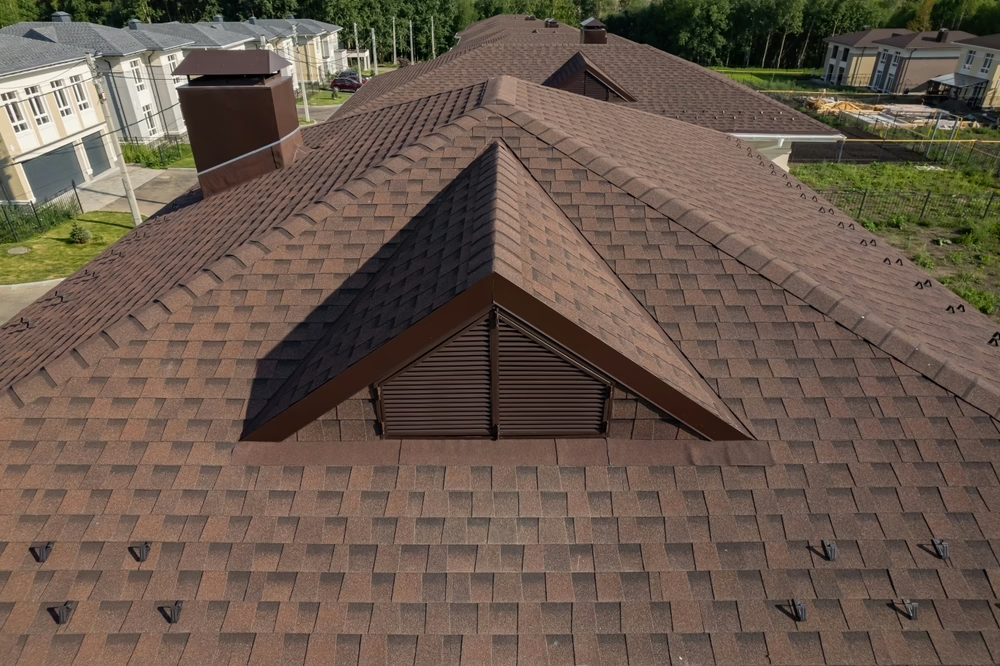
- Granule Loss: The protective mineral granules are chipped away, exposing the underlying asphalt mat to the sun’s UV rays. This accelerates aging, brittleness, and ultimately, failure of the shingle.
- Bruising (Fracturing): The impact of the hailstone doesn’t always break through the shingle immediately. Instead, it creates a small fracture in the mat below the granules, weakening the entire structure. Over time, heat, wind, and subsequent rain cycles push this fracture open, leading to leaks.
The sun’s ultraviolet rays are already harsh on asphalt. Once hail strips away the protective granules, the raw asphalt mat is exposed to accelerated photo-degradation. This rapid aging process makes the shingle brittle, causing it to curl and crack much faster than normal. Think of it like chipping the paint off a metal fence; suddenly, rust becomes inevitable. On your roof, that exposed mat quickly loses its flexibility, guaranteeing failure long before the material’s intended lifespan.
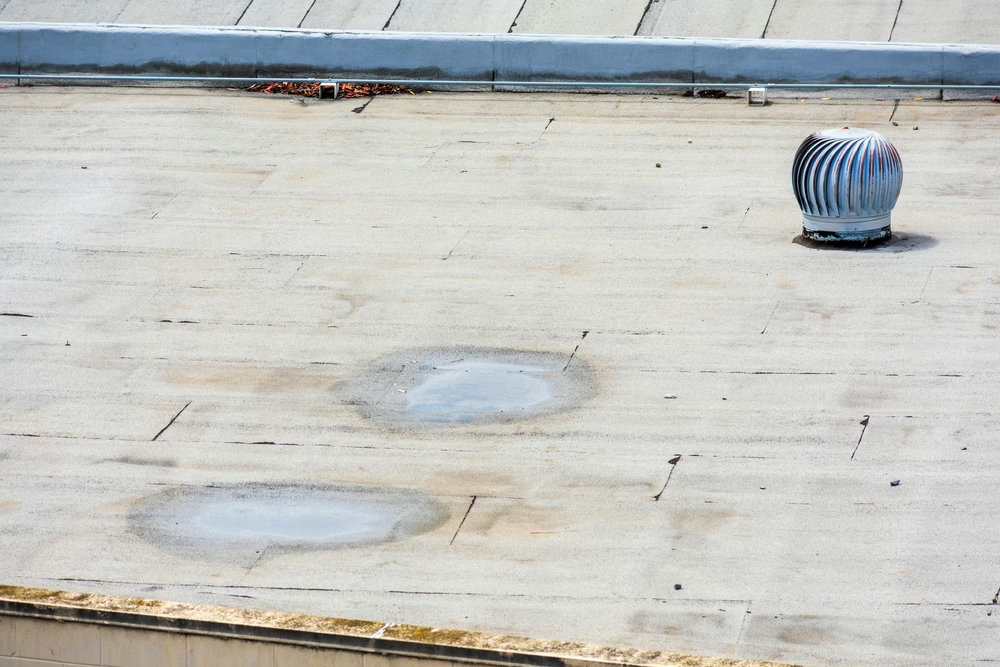
On a commercial flat roof system (like TPO or Modified Bitumen), hail damage looks different but is equally insidious. The impact can weaken or fracture the membrane’s protective layer, compromising the entire waterproofing system. For both residential and commercial properties, damage isn’t just cosmetic; it’s a systemic failure waiting to happen.
Key Warning Signs of Hail Damage
You don’t need a ladder to begin your hail damage investigation. By examining areas around your property, you can find telltale signs that suggest your roof requires professional inspection from a roofing contractor in Hatboro or areas where hail is prevalent. This preliminary check applies to both residential and commercial structures.
1. Damage to Non-Roof Components
Hail rarely hits the roof alone. If you find signs of impact on softer materials around your property, it’s a strong indicator that the roof was hit, too.
- Gutters and Downspouts: Look for dents, dings, or flattened edges. Metal gutters are particularly susceptible and show impact marks clearly.
- Siding and Trim: Check metal siding, vinyl siding, and window casings for chipping or cracking.
- Air Conditioning Units and Vents: Inspect the metal fins on exterior air conditioning units, as well as metal vent caps and chimney caps, for dents.
- Decks and Patios: Wood decks and painted surfaces may show chips in the finish.
Vinyl siding often shows stress cracks at the corners or edges after hail strikes, not just round dents. It’s important to look closely for these fractures. Furthermore, if your gutters are heavily dented, their functionality might be compromised. Dents can create small depressions where water collects instead of flowing freely, leading to overflow issues and potential damage to your fascia and foundation. These collateral hits are definitive proof that the storm had sufficient force to damage the roof itself.
2. Physical Evidence on Shingles and Flashing
Once the initial non-roof assessment is complete, you should call a professional, certified roofing contractor to safely perform a detailed inspection. Never climb on a hail-damaged roof yourself, as it can be dangerous and cause further damage. A professional will look for the following specific marks:
- Circular Bruises: On asphalt shingles, these are typically dime to quarter-sized indentations where the granules are completely gone, exposing the black mat underneath. These marks will feel soft or spongy to the touch.
- Cracked or Broken Shingles: On older or brittle shingles, hail may cause instant cracking, especially along the edges.
- Dented Metal Vents and Flashing: All metal components (pipe jacks, dormer flashing, roof vents) should be checked for dents. Dented metal indicates sufficient force to also damage the shingles.
- Fractures on Flat Roof Membranes (Commercial): For flat TPO or Modified Bitumen roofs, the technician will look for impact marks or punctures. If the seal is compromised, they’ll recommend commercial roof repair in Langhorne, or wherever your business is affected.
When a professional inspects your roof, they’ll often check slopes facing the storm’s direction first, as these are the most heavily impacted. The easiest way to confirm a bruise is through the “soft spot” test. A true hail impact leaves the asphalt material underneath the granules feeling spongy, signaling that the shingle mat has been compromised, even if the surface appears mostly intact from a distance. A non-hail-related scuff or blister won’t have this characteristic spongy feel.
3. Interior and Structural Signs (Advanced Damage)
If you see these signs, the hail damage is no longer a “warning” but an active problem that requires immediate repair.
- Water stains on the ceiling or walls.
- Peeling paint or bubbling drywall inside the attic or top floor.
- Damp spots near exterior walls or around skylights.
Hail Damage Impacts on Different Roof Types
The type of damage hail inflicts is dependent on the roofing material. Understanding these differences is key to identifying the problem early.
| Roof Type | Primary Hail Damage | Long-Term Risk |
| Asphalt Shingle (Residential) | Granule loss, circular bruising of the mat, fractured edges. | Accelerated aging, UV damage, immediate water penetration. |
| Metal Roofing (Residential/Commercial) | Dents and aesthetic deformation. Dents can trap water and affect coating integrity. | Rust, compromised paint/finish, reduced water runoff efficiency. |
| Flat Roof (TPO/PVC/Mod Bit – Commercial) | Fractures, punctures, or cracking of the membrane’s protective surface. | Water pooling, failure of the waterproofing layer, mold growth. |
How Professional Roofers Provide the Solution
Once hail damage is confirmed, the immediate next step is calling a certified, reputable roofing contractor. Professional roofers do more than just swing a hammer; they act as a crucial intermediary between the property owner and the repair process, ensuring maximum longevity and minimal out-of-pocket costs.
1. The Certified Inspection and Documentation
The first role of a professional is to conduct a thorough, safe inspection that accurately documents the scope of the damage.
- Safety First: Roofers use proper safety equipment and knowledge to inspect steep-sloped roofs, which a property owner should never attempt.
- Proof of Damage: Roofers use specialized chalking techniques and photography to clearly outline damage zones, differentiating old wear from new hail impact. This documentation is essential for your insurance claim.
- Full System Check: The contractor doesn’t just look at the shingles. They inspect the entire roofing system: gutters, vents, flashing, and the attic structure to find all collateral damage.
2. Choosing the Right, Durable Materials
In the event of a total roof replacement due to hail, the roofer guides you toward materials that will resist future storms.
In fact, many insurers offer premium discounts if you install Impact-Resistant (IR) rated shingles. These materials are rigorously tested and carry a UL 2218 rating, classifying them based on their ability to withstand the force of large hailstones without rupturing.
Choosing a high-rating asphalt shingle, or upgrading to metal roofing, provides a measurable level of defense for the future. It’s an investment that pays dividends, both in the form of reduced risk and potential insurance savings. Your contractor should always present IR options if you live in a storm-prone area, reinforcing the roof as a proactive defense system, not just a reactive shield.
The quality of the replacement materials and the skill of the installation team determines how well your roof will fare in the next storm.
Your Hail Damage Questions Answered
If I don’t see any leaks inside, do I still need an inspection?
Yes, absolutely. Hail damage rarely causes an immediate leak. The impact fractures the shingle’s internal mat or removes the protective granules, setting up a slow process of failure. Leaks typically appear months or even years later, by which time the insurance window for the original storm damage may be closed. Getting an inspection right after a major storm is crucial.
Does my homeowners insurance always cover hail damage?
In most cases, yes, hail damage is covered under your standard homeowners or commercial property policy, provided the damage is sudden and accidental. However, policies usually have a deductible you must meet. A professional contractor can help you verify coverage specifics and determine if the damage exceeds your deductible, making a claim worthwhile.
Can I repair the hail damage myself to save money?
No. Roofing repair whether it be residential or commercial roofing in Holland or elsewhere, is hazardous, especially on a damaged roof. Furthermore, hail damage must be assessed and documented by an expert to be covered by insurance. Attempting DIY repairs could not only void your manufacturer’s warranty but also lead to improperly sealed repairs that cause worse leaks down the road. Leave the inspection and repair to the professionals.
Keeping Your Roof in Mind During the Winter
The shield protecting your home or business is constantly under attack from the elements. While you can’t stop the hail, you can control the outcome by remaining vigilant for the warning signs and acting quickly. Knowing what to look for, from small dents on your gutters to tiny, circular bruises on your shingles, is the first, most important step in safeguarding your property.
When you require a comprehensive, professional inspection and expert guidance through the insurance and replacement process, look to Martin Roofing and Construction. With our dedication to superior materials and proven installation techniques, we ensure your home or commercial building receives a durable, high-quality roofing system built to withstand the next storm. Don’t wait for a small bruise to turn into a major leak.
Reach out to Martin Roofing and Construction today for a thorough inspection of your roof.