
Single Ply Roofing
Experienced Roofing Professionals Dedicated To Excellence
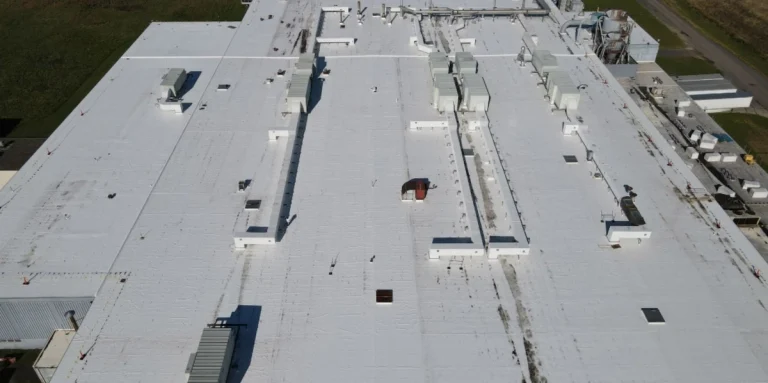
Trusted commercial roofing contractor serving Bucks County businesses and facilities.
COMMERCIAL ROOF SYSTEMS
Designing & Installations
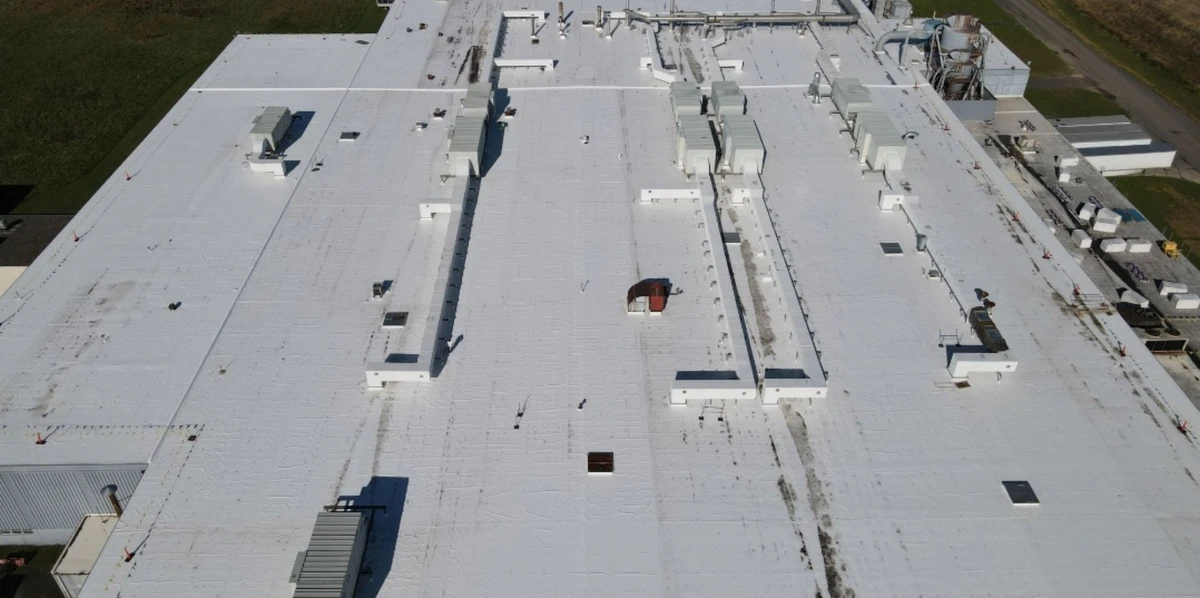
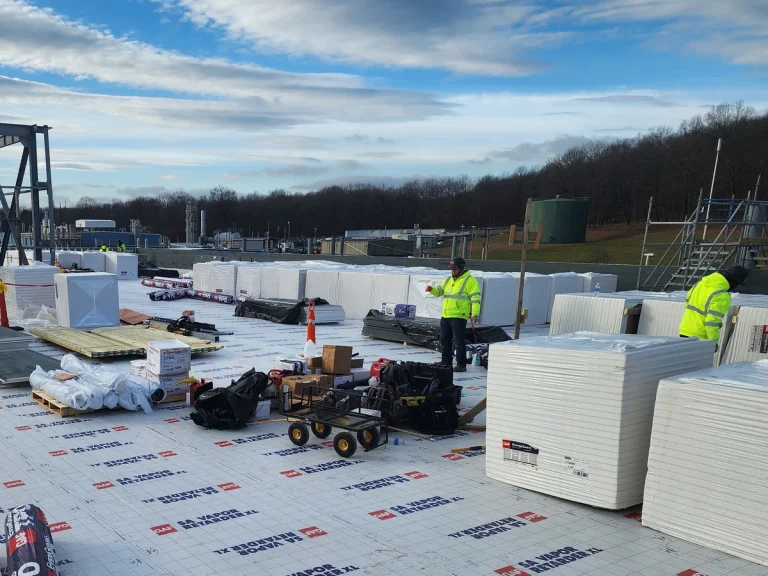
The team of roofers at MRC has a proven track record in designing and installing single-ply roofing systems. Our roofers skilled expertise and excellent craftsmanship guarantee you’ll get a high-quality roof that’s properly installed–on time and on budget.
SINGLE-PLY ROOFING
What is Single-Ply Roofing?
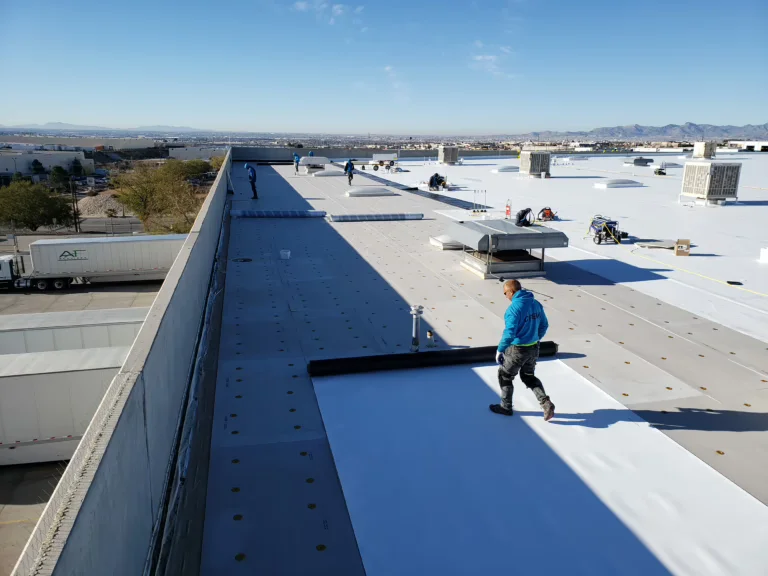
An EPDM roof can be fastened mechanically, fully adhered, or ballasted to offer higher membrane protection and a reduction in thermal mass. The ample width of EPDM means fewer seams and faster installation, and it can be used on new roofs and on re-roofing projects.
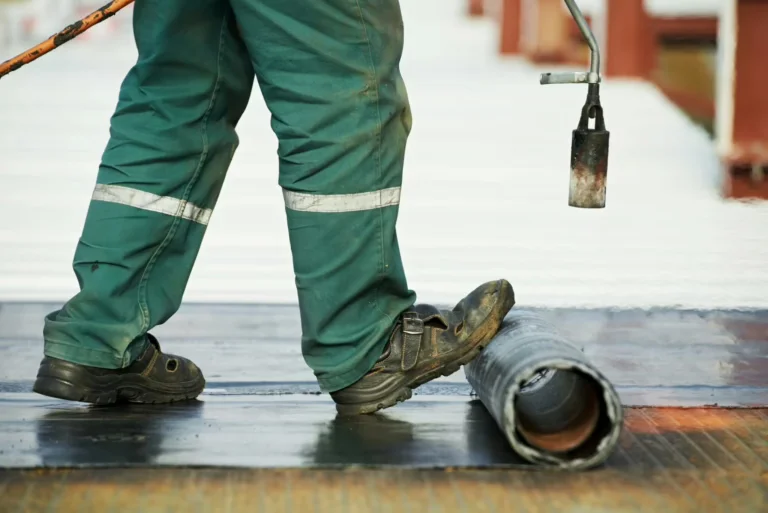
Contact Martin Roofing & Construction today to schedule a consultation with a roofer from our team and get started on a custom single-ply roofing solution built to last. Whether you’re replacing an aging system or planning a new build, our experienced team of roofers is here to guide you every step of the way.
SINGLE-PLY SYSTEMS
Three Types of Single-Ply Roofing
- PVC (polyvinyl chloride)
- TPO (thermoplastic polyolefin)
- EPDM (ethylene propylene diene monomer)
Each has distinct advantages and disadvantages, but all are good choices for a variety of applications due to their flexibility, weather and fire resistance, and energy efficiency.
The chart below indicates how each ranks on a variety of ASTM requirements:
Single-ply roofing can be installed in one of four ways:
1. Ballasted
2. Mechanically Attached
3. Fully Adhered
4. Induction-welded, when possible
This versatility makes single-ply roofing a practical choice for even the most challenging architecture. The sheets are large, so installation goes quickly when done by a professional roofer.
WHY CHOOSE MRC
Choose MRC for Your Single-Ply Roof
Common Questions
Frequently Asked Questions
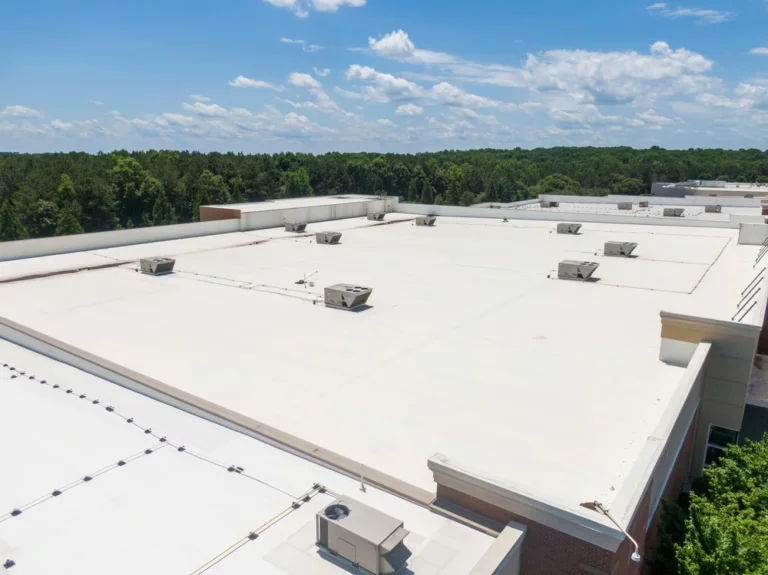
Single-ply roofing uses manufactured membrane sheets installed over a low-slope roof assembly. Common types include TPO, PVC, and EPDM. Depending on the system, membranes may be mechanically attached or adhered.
TPO and PVC are thermoplastic membranes that can be heat welded at seams. PVC is often considered where chemical exposure is a concern. EPDM is a thermoset rubber membrane with different seam and material characteristics. No single membrane is best for every building.
Single-ply membranes can be mechanically attached or adhered, and some systems use induction-welded attachment methods. The correct method depends on the roof deck, insulation, wind-uplift requirements, membrane system, manufacturer details, and project design.
Service life varies by membrane, thickness, assembly, installation, exposure, rooftop activity, drainage, and maintenance. Manufacturer warranty or guarantee terms should not be treated as a universal roof lifespan.