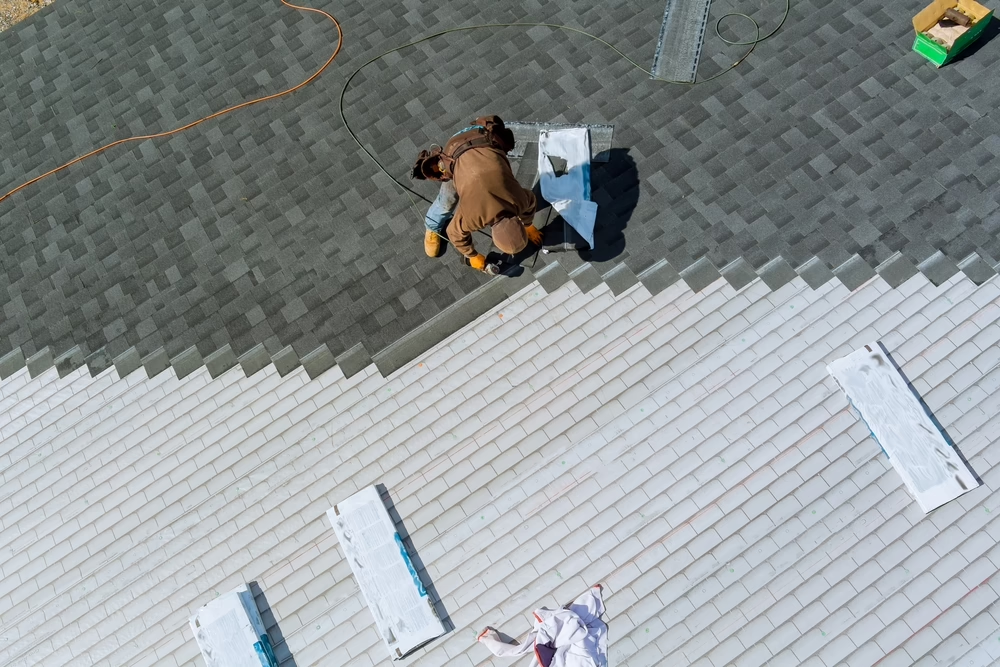

You likely see asphalt shingles on the majority of homes in your neighborhood every single day. This roofing material covers approximately 70 to 80 percent of residential structures across the United States today. Its widespread popularity often leads homeowners to wonder if popularity equates to actual quality and performance. When you are facing a roof replacement in Langhorne, you must ask yourself: are asphalt roofs good investments for the long term?
The answer depends heavily on your specific budget, local climate, and aesthetic goals for the property. Asphalt roofing offers a balance of affordability and durability that few other materials can match effectively. However, it does not perform perfectly in every situation or last as long as premium alternatives like slate or metal. You need to understand the composition and performance metrics to make an educated decision for your home.
We will examine the structural integrity, cost implications, and lifespan expectations of modern asphalt roofing systems. You will gain a clear understanding of why this material dominates the market and where it might fall short. This analysis aims to provide you with the data necessary to choose the right protection for your house.
Understanding the Composition of Asphalt Shingles
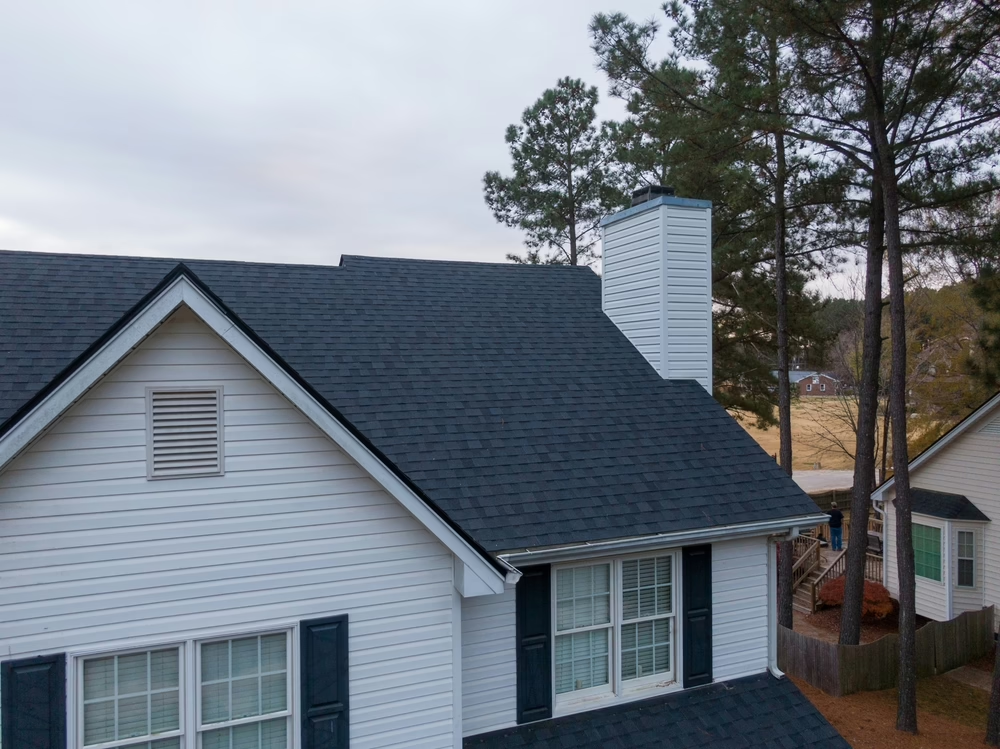
To determine if a material is good, you must first understand what manufacturers put into it during production. Modern asphalt shingles consist of a base mat, a layer of asphalt, and a surface of ceramic granules. The base material is usually fiberglass, which provides strength and fire resistance to the finished product.
The asphalt coating serves as the primary waterproofing agent that protects your home from rain and melting snow. Manufacturers treat this asphalt with oxidizers to prevent it from becoming too brittle in cold temperatures or soft in heat. This chemical process allows the shingle to remain flexible and functional through changing seasons and temperature fluctuations.
The top layer consists of crushed stone granules that have been ceramically fired with color pigments. These granules do more than just provide the color that matches your home’s exterior siding. They reflect harmful ultraviolet rays from the sun, which would otherwise degrade the asphalt layer underneath very quickly. At Martin Roofing & Construction, we prioritize shingles with high granule retention to guarantee that your investment lasts as long as possible.
The Primary Advantages of Asphalt Roofing
Unmatched Cost-Effectiveness
The most compelling reason homeowners choose asphalt is the low upfront cost compared to other roofing materials. You can expect to pay less for an asphalt roof than you would for metal, tile, or slate options. This lower price point makes it accessible for most families who need protection without draining their savings.
The manufacturing process for asphalt shingles is highly streamlined, which keeps the material costs down for consumers. Additionally, the widespread availability of these materials means that shipping and logistics costs remain relatively low. You receive a high level of weather protection for every dollar spent on this roofing system.
Ease of Installation and Repair
Professional roofers can typically install an asphalt roof much faster than they can install metal or tile roofs. A standard-sized home can often have its old roof removed and a new one installed in one or two days. This speed reduces labor costs and minimizes the disruption to your daily life during the construction process.
Repairs are also straightforward if a storm damages a small section of your roof in the future. A roofer can easily remove and replace individual shingles without disturbing the surrounding structure or materials. This modular nature makes maintenance less expensive and less invasive than repairing large metal panels or heavy concrete tiles. This efficiency is also why asphalt is a frequent choice for commercial roofing in Bucks County, where business downtime must be kept to a minimum.
Versatility in Design
Manufacturers produce asphalt shingles in dozens of colors, shapes, and textures to suit various architectural styles. You can find products that mimic the look of natural wood shakes or expensive slate tiles at a fraction of the cost. This variety allows you to maintain your home’s curb appeal regardless of its original design era.
Critical Performance Considerations
Durability and Lifespan
You need to have realistic expectations regarding how long an asphalt roof will actually last on your home. A standard 3-tab shingle roof typically lasts between 15 and 20 years before it requires replacement. Higher-quality architectural shingles can last anywhere from 25 to 30 years if they receive proper maintenance and ventilation.
Factors such as attic ventilation and local weather patterns play a massive role in the longevity of your roof system. If your attic traps excessive heat, it will cook the shingles from the underside and shorten their life. Proper intake and exhaust vents are necessary to keep the roof temperature stable and prevent premature aging.
Weather Resistance
Modern asphalt shingles perform well in diverse weather conditions, but they do have specific limitations. Most products come with wind resistance ratings that cover speeds between 60 and 130 miles per hour. Architectural shingles generally offer better wind protection than standard 3-tab versions due to their weight and construction.
Hail impact remains a threat to asphalt roofing because large hailstones can dislodge the protective granules. Once these granules are gone, the sun’s UV rays will destroy the exposed asphalt layer rapidly. If you live in a hail-prone area, you should consider Class 4 impact-resistant shingles for better durability.
Warning: Never use a pressure washer to clean your asphalt roof. The high pressure will strip away the protective granules and ruin the shingles immediately.
Types of Asphalt Shingles Explained
Not all asphalt roofs are created equal, and the type you choose affects the overall quality of your protection. There are three main categories of shingles available on the market today. Each category offers a different balance of price, aesthetics, and performance longevity.
| Shingle Type | Estimated Lifespan | Best For |
| 3-Tab | 15–20 Years | Budget-conscious projects and rentals |
| Architectural | 25–30 Years | Most residential homes; balances cost and durability |
| Luxury | 30+ Years | High-end aesthetics; mimics slate or cedar |
3-Tab Shingles
These are the most basic and economical options available for residential roofing projects. They consist of a single layer of material with cutouts that create three distinct tabs. While they are very affordable, they are thinner and have a shorter lifespan than other options.
Architectural Shingles
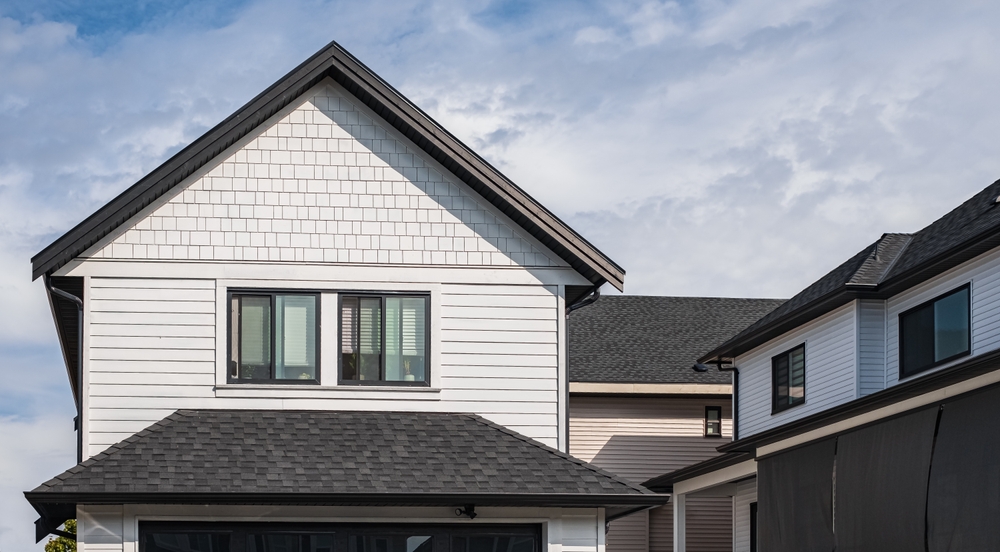
Architectural shingles, also known as dimensional shingles, feature two or more layers of asphalt bonded together. This construction creates a three-dimensional appearance that adds depth and character to the roofline. They are thicker, heavier, and more durable than 3-tab shingles, making them the standard choice for most modern homes.
Luxury Shingles
Luxury shingles are the highest quality asphalt product and are designed to replicate slate or cedar shakes. They are heavier than architectural shingles and offer the best protection against impact and weather. While they cost more, they provide a high-end look and often carry the longest warranties in the industry.
Environmental Impact and Sustainability
Many homeowners worry about the environmental footprint of removing and disposing of old roofing materials. Traditionally, asphalt shingles ended up in landfills where they would take centuries to decompose fully. However, the industry has made strides in recycling capabilities over the last decade.
Recycling centers can now grind down old shingles and use the material for road paving and maintenance. You should ask your roofing contractor if they participate in a shingle recycling program before work begins. This simple step can prevent tons of waste from sitting in a landfill unnecessarily. Martin Roofing & Construction stays informed on local disposal and recycling options to help reduce the environmental impact of your project.
How to Inspect Your Asphalt Roof
You can determine if your current asphalt roof is still good by performing a safe visual inspection from the ground. Regular checks allow you to catch minor issues before they become expensive leaks. Follow these steps to assess the condition of your shingles.
- Examine the Roof Line: Stand back from your home and look for any lines that appear uneven or sagging. A sagging roof deck often indicates structural issues or water damage underneath the shingles. (Tip: Use binoculars to get a closer look without having to climb a ladder.)
- Check for Missing Granules: Look at your gutters and downspouts to see if there is an accumulation of granules. Excessive granule loss means the shingles are near the end of their useful life.
- Identify Curled or Cracked Shingles: Scan the roof surface for shingles that are curling up at the edges or have visible cracks. These damaged areas are entry points for water and require immediate professional attention.
Comparing Costs: Asphalt vs. Competitors
Price is often the deciding factor for homeowners, so it helps to compare asphalt directly against other popular materials. You can generally expect to pay between $3.50 and $5.50 per square foot for installed architectural asphalt shingles. This price includes materials, labor, and basic warranty coverage from the manufacturer.
Metal roofing typically costs two to three times more than asphalt, ranging from $8.00 to $14.00 per square foot. While metal lasts longer, the upfront capital required is a barrier for many families. Slate and clay tiles represent the high end of the market and can cost upwards of $20.00 per square foot. These materials are heavy and often require structural reinforcement of the home’s framing. For the average homeowner, asphalt remains the only option that balances performance with a realistic budget.
Final Verdict on Quality
So, are asphalt roofs good choices for the average home? The answer is a definitive yes, provided you select a quality product and hire a skilled installer like Martin Roofing & Construction. They provide water protection, fire resistance, and aesthetic appeal at a price point that makes homeownership more affordable.
While they do not last as long as metal or slate, the lower replacement cost allows you to refresh the look of your home more frequently. Technology continues to improve the granule adhesion and sealant strength of these shingles. Today’s architectural shingles are superior to the products installed on homes twenty years ago. You should consider your long-term plans for the property when making your final decision.
Asphalt roofs remain the gold standard for residential housing for good reason. They offer a solution that protects millions of families from the elements every year. While they have limitations regarding lifespan and environmental impact, their benefits outweigh the downsides for most people. You can maximize the value of your investment by choosing high-quality architectural shingles and maintaining proper attic ventilation. When you weigh the price against the performance, asphalt roofs are indeed a good choice for your home.
Ready to Upgrade Your Home?
Whether you need a quick repair or a complete overhaul, our team is here to help you choose the best materials for your needs. Contact us today to schedule your consultation and keep your home protected for years to come.